AI-driven drug discovery project targeting PRMT6 to accelerate development of targeted therapies for SBMA
Summary Description
This one-year project brings together an international team of scientists from Canada, the United Kingdom, and
Italy to accelerate the development of new treatments for Spinal Bulbar Muscular Atrophy (SBMA), a rare and progressive neuromuscular disorder for which there is currently no cure. SBMA is caused by a toxic mutation in the androgen receptor (AR) gene, and recent research has identified a protein called PRMT6 as a promising target for therapeutic intervention. Our team previously developed one of the first selective PRMT6 inhibitors, small drug-like molecules which stop PRMT6 from working. Now, we will build upon this expertise using cutting-edge artificial intelligence tools to design and optimise more effective inhibitors. These newly developed molecules will then be tested in disease-relevant cellular models, specifically motor neurons derived from SBMA patients to see how they might rescue signs of SBMA in these models.All findings, reagents, and tools developed through this work will be shared openly, ensuring that other researchers in the field can build on these advances. This project demonstrates the power of crossdisciplinary, cross-border collaboration and highlights how open science can drive innovation and progress in the search for treatments for rare diseases like SBMA.
Bio
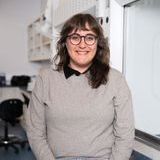
Dr. Harding is an Assistant Professor in the Leslie Dan Faculty of Pharmacy and a Principal Investigator at the Structural Genomics Consortium. She holds cross-appointments with the Department of Pharmacology and Toxicology and the Princess Margaret Cancer Centre. She completed her undergraduate and doctoral training at the University of Oxford, followed by postdoctoral research at the University of Toronto. In 2022, she established her independent research group, which investigates the molecular mechanisms underlying repeat expansion disorders and develops early-stage therapeutic approaches. In partnership with the Agora Open Science Trust, Dr. Harding is leading efforts to develop small-molecule inhibitors of PRMT6, a promising therapeutic target for Kennedy’s disease